Picking the right technology, not just the hottest
Investing in technology to improve your production line efficiency is a must to keep competitive. But only if you invest in the right technology.
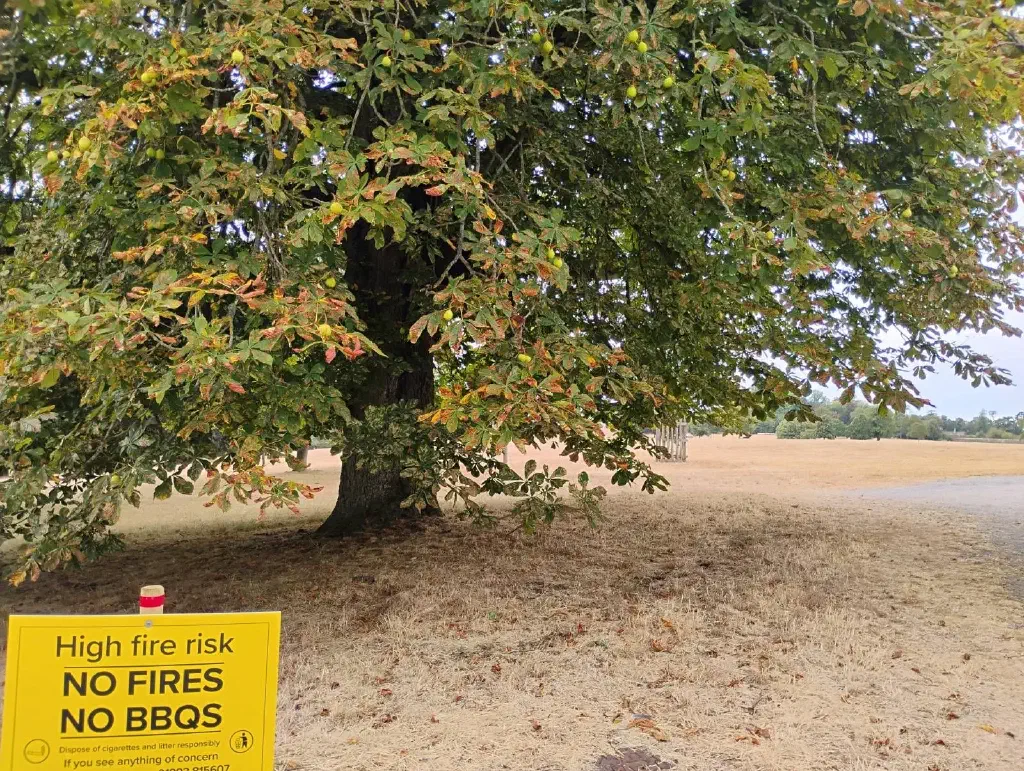
Writing from Oxfordshire, where the fields have turned a uniform brown, we’ve had no more rain than a five minute light shower in weeks if not months, with temperatures so high so regularly it feels like we’re under an extreme heat weather warning more often than not, and reading news of catastrophic wildfires across Europe and less extensive but still unprecedented blazes in the UK… the only way you could ignore the fact of climate change at this stage is by sticking your head in the sand.
At the same time, you only have to take a look at your household energy bills to see that the cost of energy is painfully high and only likely to rise further.
Against that background, it’s obvious that companies are increasingly concerned with reducing their emissions, decreasing waste generation and cutting back on energy consumption - both out of immediate financial self-interest and also to meet social and legal obligations to attempt to address climate change.
Often that looks like investment in technology to improve process efficiency, especially in manufacturing. Making things can be incredibly energy intensive, so when technology promises to reduce the energy and materials you need to consume to produce a given amount of saleable product it can be easy to build a compelling business case.
It’s just human nature to turn to whatever new technology is being touted most loudly at the time - who wants to risk being left behind? But even given that bias it’s puzzling why many companies are turning to AI as a first choice to produce these efficiencies. As a technology, it’s power hungry, with emissions at the major providers surging by huge amounts recently. Against such data it’s hard to be sure that the case for investing in such a costly technology is justifiable even if it did improve productivity (and it’s not even certain that it does).
To a man with a hammer, every problem is a nail - especially if you’ve been convinced by the hammer salesman to invest in their latest, very expensive model - and whilst it’s true that there are cases where AI, or AI-adjacent, technology might make a meaningful contribution to solving an efficiency problem the choice of a technology should never be driven this way. Start with the problem or the opportunity that you see for improvement, and then work with experts, your own in-house knowledge and specialists in system design and process monitoring - to build a truly efficient and effective solution using the most appropriate tools whatever they may be. You might not necessarily end up being able to drop AI as a buzz term in conversation if it turns out not to be the best fit - but you will end up with an efficient solution which will help monitor your processes, reduce waste and keep your line competitive. And you’ll be able to honestly say that you’re striving to reduce emissions - not just passing the buck on to a data centre down the road.
If you think you could benefit from having a chat about the potential to improve your line efficiency - whether by spotting and removing production defects early, improving process monitoring and feedback, or reducing the number of costly shut-downs due to mechanical jams and edge cases - get in touch. We’ll bring our long experience of working with production lines, our toolkit of tried and tested technologies to use as building blocks, and the expertise to design anything more specialised that you might need.
We’d love to work with you to understand your production processes and help you to monitor and control them more effectively.